
Sump Pump Installation in Chester County, PA
Reliable sump pump installation helps prevent basement flooding and manage excess water efficiently. Owner operated since 2016 — Rich is on every job.
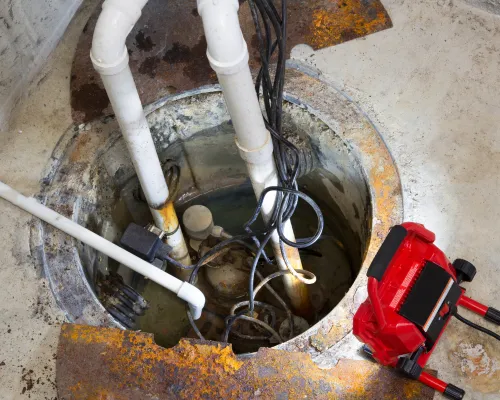
The Problem Sump Pump Installation Solves
Basements across Chester County and the western Main Line take on water. Heavy spring rain, snowmelt, and the clay-heavy soil common to the region all push groundwater against foundation walls, and the sump pit is where that water is supposed to collect and get pumped out before it reaches the floor. If your home does not have a pit, has an undersized pump, or discharges right back against the foundation, the basement will eventually take water.
Sump pump installation is about three things done together: a correctly placed pit that actually collects the water, a pump sized to move the volume your basement sees, and a discharge line routed away from the foundation so the water does not simply cycle back. Skip any one of those and the pump works harder than it should, or does not work at all when you need it most.
Signs You Need Sump Pump Installation
Dampness or efflorescence on basement walls — white mineral deposits or persistent dampness mean groundwater is pressing against the foundation and needs a path out.
Water on the basement floor after storms — any standing water after heavy rain means the water has no collection point or the existing pump cannot keep up.
No sump pit at all — older homes in the area were often built without a pit, so there is nowhere for groundwater to gather and be pumped away.
An undersized or worn-out pump — the existing pump runs constantly or cannot clear the pit during a real storm, which is exactly when it matters most.
Discharge dumping water back near the house — the pump is working but the water exits right next to the foundation and seeps back in, defeating the whole setup.
How Rich Handles the Job
- 1
Rich looks at where the water is actually coming from — the grade around the foundation, the soil type, and where the existing discharge goes — before deciding where a pit belongs and how big the pump needs to be.
- 2
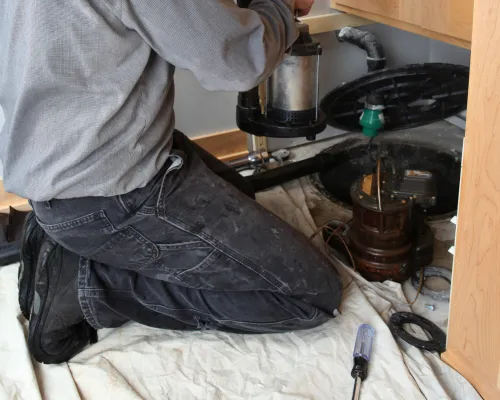
He cuts and sets the pit at the low point so groundwater collects there instead of on the floor, and he checks that the pit is deep enough to catch the water before it rises to slab level.
- 3
He sizes the pump to the volume your basement sees in a storm, not just the cheapest unit that fits, so the pump can keep up on the night that actually matters.
- 4
He routes the discharge away from the foundation — well clear of the house and downhill where possible — so the water does not immediately find its way back against the wall.
- 5
Finally he tests the pump by running water into the pit and watching the cycle, and he explains how to check it between storms so you are not surprised.
Serving Chester County & the Main Line
The clay soils and rolling terrain around West Chester, Exton, Downingtown, Phoenixville, King of Prussia, Malvern, Paoli, Berwyn, Chester Springs, Coatesville, Kennett Square, and Royersford hold water against foundations more than many homeowners expect. A correctly installed sump system is one of the most effective ways to protect a finished basement in this area. Rich has installed and upgraded sump systems across the region since 2016 and tailors each one to how the specific property sheds water.
Because every lot drains differently, Rich sizes each pump and discharge to the property rather than using one setup for every house. A home at the bottom of a hill in Downingtown and a flat lot in Exton do not need the same system.
Sump Pump Installation Service Locations
We provide sump pump installation across all of Chester County and the western Main Line. Select your town for local details:
Service Area Map
Sump Pump Installation available across Chester County and the western Main Line.
Frequently Asked Questions
Where should a sump pit be located in my basement?
A pit belongs at the lowest point where water naturally collects, and deep enough to catch groundwater before it rises to the slab. The exact spot depends on the floor slope and where the water enters. Rich assesses the grade and the foundation before cutting the pit so it actually intercepts the water rather than sitting in the wrong corner.
How big does my sump pump need to be?
Pump size is matched to the volume of water your basement sees during a storm, not a one-size choice. A pump that is too small will run constantly and still lose ground during heavy rain; one that is sized to your property can clear the pit and rest between cycles. Rich sizes each pump to how the specific lot drains.
Where should the sump pump discharge go?
Away from the foundation and downhill where possible, so the water does not seep straight back against the wall. Dumping discharge right next to the house is a common mistake that defeats the pump. Rich routes the discharge clear of the foundation so the water actually leaves instead of cycling back.
My older home has no sump pit. Can one be added?
Yes. Many older homes in Chester County and the Main Line were built without a sump pit. Adding one means cutting the slab at the low point, setting the basin, sizing the pump, and routing the discharge. It is one of the most effective ways to protect a basement that currently has nowhere for groundwater to go.
Should I add a battery backup to my sump pump?
A backup pump that runs on battery power keeps the basement protected when the power goes out, which is often during the same storms that fill the pit. It is worth considering for finished basements or homes that take on significant water. Rich can add a backup alongside a primary pump so the system keeps working through an outage.
How do I know the installation is working before a storm hits?
Rich tests every install by running water into the pit and watching the full cycle before he leaves. Between storms, you can pour a few gallons of water into the pit yourself to confirm the pump kicks on, lifts the water, and shuts off cleanly. That quick check tells you the system is ready before the next heavy rain.
Rich, the owner, is personally on every job — from sump pump installation to full commercial roof drain systems. Call directly or request a quote below.
Call (267) 640-2589Request a Sump Pump Installation Quote
Tell us about the job and Rich will follow up with scheduling options.
Ready to Get Sump Pump Installation Scheduled?
Honest work, done right the first time — across Chester County and the Main Line.